Home Blog Page 18

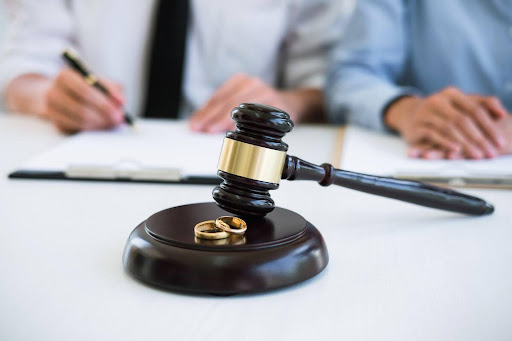
Exploring the Legal Side of Love: What You Need to Know About Marriage Contracts

0

Love and law may seem like distant realms. But, there’s an intriguing link worth exploring especially for new couples. Enter the marriage contract, a crucial aspect often overlooked in matrimony. This dive into marriage contracts aims to simplify, offer insights, and empower those stepping into this significant chapter.

From understanding their purpose to unraveling misconceptions, this article equips couples with the know-how for informed decisions in their legal union.

Understanding Marriage Contracts

Marriage contracts are also often referred to as prenuptial, antenuptial, or postnuptial agreements. These are legally binding agreements that dictate the terms and conditions of a couple’s life together.

This includes finances, property, and potential divorce or death. They are a form of insurance for your assets and can be integral in setting out predetermined guidelines for potential separation or other significant life events.

Purpose of Marriage Contracts

The primary purpose of marriage contracts is to provide legal clarity and protection for both parties in a marriage. Here are some of the purposes that a marriage contract serves:

Asset Protection

One of the most significant advantages of a marriage contract is that it can protect your assets in case of divorce or death. It sets out how property and assets will be divided. This ensures that each party receives what they are entitled to.

Debt Protection

Marriage contracts can also protect both parties from any existing debts incurred by their spouse before getting married. Without a marriage contract, one party may end up being responsible for their spouse’s premarital debts.

Clarifying Expectations

Marriage contracts can also help clarify each person’s expectations within the marriage. They outline financial roles and responsibilities during the marriage, which can prevent disagreements and misunderstandings in the future.

What Can Be Included in a Marriage Contract?

Marriage contracts are customizable. It can include a wide range of provisions based on the couple’s unique circumstances. Some common items that can be included are:

Asset Division

This provision outlines how property and assets will be divided in case of separation, divorce, or death. It can also specify any spousal support or alimony that may be paid.

Spousal Support

Marriage contracts can also include provisions for spousal support. This is money paid by one spouse to the other in case of separation or divorce. The contract can specify the amount and duration of spousal support.

Debt Allocation

This provision clarifies how debts will be handled in the event of divorce or separation. It can outline which spouse handles specific debts and how they should be paid.

Inheritance Rights

Marriage contracts can also address inheritance rights. This provision ensures that any property or assets inherited by one spouse remain separate in case of a divorce.

Children

Custody and child support matters are typically determined separately from marriage contracts. Couples may include provisions related to children’s financial support or educational expenses.

Business Interests

If one or both spouses own businesses, the contract can address how those interests will be managed. They can also be divided in the event of divorce.

Future Assets

Couples may include provisions for how future assets. This includes inheritances or gifts which will be treated in the event of divorce.

Other Provisions

Couples can also include other provisions. This includes household responsibilities, retirement benefits, and even infidelity clauses in their marriage contract.

Legal Requirements for Marriage Contracts

While marriage contracts are customizable, some legal requirements must be met for them to be valid. These include:

Voluntary Agreement

Both parties must enter into the contract without any coercion or duress. If one party feels pressured into signing, the contract may not be enforceable.

Full Disclosure

Both parties must disclose their assets, debts, and income for the contract to be valid. Any hidden assets or incomplete information can render the agreement invalid.

Written Agreement

Marriage contracts must be in writing and signed by both parties to be enforceable. Verbal agreements are not binding.

Independent Legal Advice

It’s recommended that both parties seek independent legal advice from a divorce family lawyer before signing the marriage contract. This ensures that each party understands the terms and consequences of the agreement.

Enforceability of Marriage Contracts

Marriage contracts are generally presumed to be valid and enforceable unless proven otherwise. However, there are situations where a marriage contract may not be legally enforceable, such as:

Unconscionability

If the terms of a marriage contract are deemed unfair or unconscionable by a court, it may not be enforced. For example, if one party is left with nothing while the other receives a significant part of assets in case of divorce, the contract may be deemed unconscionable.

Illegal Provisions

Any provisions that violate existing laws cannot be included in a marriage contract and may render it invalid. For example, including clauses that promote illegal activities or restrict child support payments are not permitted.

Lack of Legal Capacity

If one of the parties lacks legal capacity at the time of signing the contract, it may not be enforceable. For example, if a party was under duress or intoxicated while signing, they may lack the required capacity to enter into a legally binding agreement.

Modification or Revocation of Marriage Contracts

Marriage contracts are not set in stone and can be modified or revoked at any time. But, any changes or revocations must be made with the same level of formality as the original contract.

Modification

Couples can change their marriage contract by creating a new agreement that supersedes the original one. This allows for changes in circumstances. This includes the birth of children or significant financial changes.

Revocation

Parties can also revoke their marriage contract by entering into a written agreement to end it. But, revocations should be considered and done with the help of legal counsel.

Legal Advice is Key

Marriage contracts are complex legal documents that need careful consideration and the help of a lawyer. Here are some ways in which seeking legal advice can benefit you:

Consultation

A lawyer can provide you with a consultation to assess your unique situation. They can also advise you on the best course of action.

Understanding Your Rights and Risks

A lawyer can help you understand your rights and risks when entering into a marriage contract. They can explain how the contract may affect you in different scenarios, such as divorce or death.

Drafting and Negotiating Terms

Lawyers are trained to draft legally binding contracts that reflect their client’s wishes. They also have the negotiation skills to negotiate terms on your behalf. This will ensure that the contract is fair for both parties.

Avoiding Pitfalls

With their extensive knowledge and experience, lawyers can help you avoid common pitfalls when creating a marriage contract. They can spot potential issues and advise you.

Customization

A lawyer can help you customize the contract to meet your specific needs. They will ensure that it complies with all legal requirements. This can provide peace of mind and ensure that your contract is enforceable in the future.

Early Planning

Seeking legal advice early on in your relationship can save you time, money, and stress in the long run. It allows you to plan for potential scenarios and set out clear guidelines for your marriage.

Common Misconceptions about Marriage Contracts

Despite their benefits, marriage contracts are often misunderstood and surrounded by misconceptions. Some common misconceptions include:

They’re Only for the Wealthy

Marriage contracts are not just for the wealthy or celebrities. They can be beneficial for any couple looking to protect their assets and clarify expectations in their marriage.

They Predict Divorce

Many people believe that having a marriage contract means you’re planning for divorce. However, it’s simply a form of insurance in case of unforeseen circumstances.

They’re Only for Young Couples

Marriage contracts are not limited to young couples. Anyone getting married at any age can benefit from having one, especially if they have significant assets or children from previous relationships.

Postnuptial Agreements

While marriage contracts are typically signed before or at the time of marriage, couples also have the option to enter into postnuptial agreements after getting married. These agreements serve a similar purpose as prenups but may be used in situations where the couple did not sign a marriage contract initially or want to update their existing one.

Similarities to Marriage Contracts

Postnuptial agreements have similar legal requirements and purposes as marriage contracts. They can also address the same provisions, such as asset division, spousal support, and debt allocation.

Purpose and Benefits

Couples may choose to enter into a postnuptial agreement for various reasons, including:

  • Protecting assets
  • Clarifying financial responsibilities and expectations
  • Addressing changes in circumstances
  • Planning for potential divorce or death

Enforceability

Postnuptial agreements are generally enforceable in the same way as marriage contracts, provided that all legal requirements are met. However, it’s essential to seek independent legal advice before signing any contract.

Getting a Marriage Contract

Marriage contracts are a valuable tool that can provide clarity, protection, and peace of mind for couples entering into marriage. It’s crucial to understand the purpose of these agreements, and their legal requirements, and seek legal advice before creating or signing one.

With proper guidance and understanding, couples can make informed decisions about their financial future while building a strong foundation for their relationship. So, before walking down the aisle, consider whether a marriage contract is right for you and your partner.

Is this article helpful? Keep reading our blog for more.

Navigating the Legal Landscape of Pollutants and Pathogens

In today’s world, pollutants and pathogens pose significant challenges to public health, environmental sustainability, and regulatory compliance. From industrial emissions to microbial contaminants, the presence of pollutants and pathogens in our air, water, and soil can have far-reaching consequences for human health and the environment. Navigating the legal landscape surrounding pollutants and pathogens requires a comprehensive understanding of regulations, liability, and remediation strategies. In this article, we’ll explore the legal framework governing pollutants and pathogens, the responsibilities of stakeholders, and the strategies for mitigating their impact on society.

Regulatory Framework:

The regulation of pollutants and pathogens is governed by a complex web of local, national, and international laws, regulations, and guidelines. In many countries, environmental protection agencies are responsible for enforcing laws related to air quality, water quality, waste management, and public health. These agencies establish emission standards, water quality criteria, and waste disposal regulations to protect human health and the environment from the adverse effects of pollutants and pathogens. International agreements, such as the Paris Agreement on climate change and the Stockholm Convention on persistent organic pollutants, provide a framework for global cooperation in addressing cross-border pollution issues.

Liability and Responsibility:

Determining liability for pollution and pathogen contamination can be a challenging and contentious process involving multiple parties, including polluters, property owners, regulatory agencies, and affected communities. In cases of industrial pollution, liability may rest with the company responsible for the release of pollutants, as well as contractors, subcontractors, and suppliers involved in the operation. Property owners may also be held liable for contamination on their land, particularly if they knowingly allowed pollutants or pathogens to be discharged or disposed of improperly. Regulatory agencies have the authority to enforce compliance with environmental laws and hold violators accountable through fines, penalties, and legal action.

Remediation Strategies:

Remediating pollutants and pathogens requires a multi-faceted approach that addresses the source of contamination, the affected media (air, water, soil), and the potential risks to human health and the environment. Remediation strategies may include containment, removal, treatment, and disposal of contaminated materials, as well as restoration of affected ecosystems and habitats. In cases of microbial contamination, disinfection and decontamination measures may be necessary to eliminate pathogens and prevent the spread of infectious diseases. Remediation efforts must comply with regulatory requirements and standards to ensure effectiveness and protect public health and the environment.

Case Studies:

Several high-profile cases highlight the legal complexities and challenges associated with pollutants and pathogens. For example, the Flint water crisis in Michigan brought national attention to lead contamination in drinking water and raised questions about government accountability and environmental justice. Similarly, the Deepwater Horizon oil spill in the Gulf of Mexico resulted in extensive environmental damage and legal battles over liability and compensation for affected communities and ecosystems. These cases underscore the importance of proactive measures to prevent pollution and mitigate its impacts, as well as the need for robust legal frameworks to address environmental disasters and hold polluters accountable.

Conclusion:

Pollutants and pathogens present complex legal challenges that require coordinated action by governments, industries, communities, and stakeholders. By understanding the regulatory framework, liability issues, and remediation strategies associated with pollutants and pathogens, we can work towards sustainable solutions that protect public health, preserve natural resources, and promote environmental justice. Collaboration, transparency, and accountability are essential for navigating the legal landscape of pollutants and pathogens and ensuring a cleaner, healthier future for generations to come.

The Role of a Car Accident Lawyer: What You Need to Know in Queens

0

Imagine you’re driving along the busy streets of Queens, navigating through the chaotic traffic like a skilled captain steering a ship through rough waters. But then, out of nowhere, a car collides with yours, shattering the calm and leaving you in a state of confusion and distress.

In such a challenging situation, you may find yourself wondering about the role of a car accident lawyer. What exactly do they do? How can they help you navigate the complex legal process that lies ahead?

Well, my friend, buckle up and prepare to uncover the answers, because the role of a car accident lawyer in Queens is far more crucial than you might think.

Initial Consultation and Case Evaluation

During your initial consultation with a car accident lawyer in Queens, they’ll carefully evaluate the details of your case to determine the best course of action for pursuing your legal rights and securing the compensation you deserve. This consultation is a crucial step in the process of seeking justice and holding the responsible parties accountable for the harm they’ve caused.

The car accident lawyer will listen attentively to your account of the accident, asking pertinent questions to gather all the necessary information. They’ll review any documentation you have, such as police reports, medical records, and insurance policies. This thorough evaluation will help them understand the extent of your injuries, the financial impact, and the liability of the other party involved.

Based on this evaluation, the car accident lawyer will advise you on the strength of your case and the potential legal options available to you. They’ll explain the steps involved in pursuing a personal injury claim, including gathering evidence, negotiating with insurance companies, and, if necessary, filing a lawsuit. They’ll also discuss the potential value of your claim and the types of compensation you may be entitled to, such as medical expenses, lost wages, and pain and suffering.

Gathering Evidence and Investigating the Accident

Now that your car accident lawyer has evaluated the strength of your case and discussed potential legal options, it’s essential to gather evidence and thoroughly investigate the accident. This crucial step will help build a strong foundation for your claim and increase your chances of receiving fair compensation.

Here’s what you need to know:

Collecting Evidence

Your lawyer will work diligently to gather all relevant evidence, including police reports, witness statements, photographs of the accident scene, and any available video footage. This evidence will help establish liability and prove the extent of your injuries.

Investigating the Accident

Conducting a thorough investigation is key to uncovering any hidden factors that may have contributed to the accident. Your lawyer will examine the accident scene, review medical records, consult with experts, and gather any additional evidence necessary to support your claim.

Negotiating With Insurance Companies

To increase your chances of receiving fair compensation and dealing with car injuries, it’s crucial to effectively negotiate with insurance companies after a car accident. Insurance companies may try to minimize their payouts or deny your claim altogether. This is why it’s important to approach negotiations with a clear strategy and understanding of your rights.

First, gather all the necessary evidence to support your claim. This includes medical records, police reports, and any other relevant documentation. Presenting a strong case will give you leverage during negotiations.

Next, be prepared to counter any lowball offers from the insurance company. Remember, their goal is to settle for as little as possible. Don’t accept the first offer they make. Instead, provide counterarguments backed by evidence to support your desired compensation.

It’s important to stay persistent and assertive throughout the negotiation process. Insurance companies may try to delay or prolong the process in hopes that you’ll give up. Don’t fall into this trap. Stay focused and committed to fighting for the compensation you deserve.

If negotiations become difficult or reach a stalemate, consider seeking legal representation. A car accident lawyer can navigate the complex legal system and advocate for your rights. They have the experience and knowledge to negotiate on your behalf and ensure you receive fair compensation.

Representing You in Court, if Necessary

If your car accident case goes to court, a car accident lawyer will be there to represent you and fight for your rights. Going to court can be a daunting experience, but having a skilled lawyer by your side can provide you with a sense of reassurance and support. Here’s how a car accident lawyer can help you in court:

Building a strong case: 

Your lawyer will gather all the necessary evidence, such as accident reports, witness testimonies, and medical records, to present a compelling case on your behalf. They’ll use their expertise to analyze the evidence and craft a strong legal strategy.

Presenting your case effectively: 

Your lawyer will use their courtroom experience to effectively present your case to the judge and jury. They’ll utilize persuasive techniques, such as compelling arguments and powerful storytelling, to advocate for your rights and maximize your chances of receiving fair compensation.

Negotiating with opposing counsel

If there are settlement discussions during the court proceedings, your lawyer will negotiate on your behalf to secure the best possible outcome. They’ll use their negotiation skills to push for a fair settlement that adequately compensates you for your injuries and losses.

Having a car accident lawyer represent you in court can make a significant difference in the outcome of your case. They’ll fight tirelessly to protect your rights and ensure that you receive the compensation you deserve.

Ensuring Fair Compensation and Protecting Your Rights

Your car accident lawyer will ensure that you receive fair compensation and that your rights are protected. After a car accident, you may be entitled to various types of compensation, including medical expenses, lost wages, pain and suffering, and property damage. However, insurance companies may try to minimize the amount they pay out or deny your claim altogether. That’s where your lawyer comes in.

First, your lawyer will gather all the necessary evidence to support your claim. This may include medical records, accident reports, witness statements, and expert testimony. They’ll use this evidence to build a strong case and negotiate with the insurance company on your behalf.

Your lawyer will also ensure that your rights are protected throughout the legal process. They’ll handle all communication with the insurance company and other parties involved, preventing you from being taken advantage of. They’ll also guide you through the complex legal procedures and ensure that you meet all deadlines.

In addition, your lawyer will advocate for fair compensation. They’ll calculate the full extent of your damages, including both economic and non-economic losses. They’ll fight for a settlement that adequately compensates you for your injuries and any other harm you have suffered.

Frequently Asked Questions

What Are the Potential Consequences of Not Hiring a Car Accident Lawyer After Being Involved in an Accident in Queens?

Not hiring a car accident lawyer after being involved in an accident in Queens is like trying to navigate a complex maze blindfolded. You risk missing out on compensation, facing legal pitfalls, and being taken advantage of by insurance companies.

Can a Car Accident Lawyer Help Me if I Was Partially at Fault for the Accident?

Yes, a car accident lawyer can help you even if you are partially at fault for the accident. They will analyze the evidence, negotiate with insurance companies, and fight for your rights to ensure you receive the compensation you deserve.

How Long Does the Process of Negotiating With Insurance Companies Typically Take?

Negotiating with insurance companies after a car accident can take time. A car accident lawyer can help expedite the process, ensuring you receive fair compensation for your injuries and damages.

Are There Any Specific Criteria That Need to Be Met for a Car Accident Case to Go to Court in Queens?

To take a car accident case to court in Queens, specific criteria must be met, such as significant injuries or property damage. A car accident lawyer can guide you through the process and help you build a strong case.

Can a Car Accident Lawyer Assist Me in Obtaining Compensation for Non-Economic Damages Such as Pain and Suffering?

Yes, a car accident lawyer can help you get compensation for non-economic damages like pain and suffering. They will guide you through the legal process and fight for your rights in court.

Conclusion

Hiring a car accident lawyer in Queens is crucial to ensure you receive fair compensation and protect your rights. With their expertise and dedication, they’ll gather evidence, negotiate with insurance companies, and represent you in court if necessary.

Trust them to handle every aspect of your case, leaving you free to focus on your recovery. Don’t miss out on this opportunity to have a fierce advocate by your side, fighting for your best interests with the power of a thousand suns.

In florida which of the following is one of the legal requirements while operating a pwc?

0

A. Wearing a life jacket

B. Having a fishing license

C. Carrying a fire extinguisher

D. Displaying a registration sticker on the PWC

The correct answer is:

A. Wearing a life jacket

Explanation:

In Florida, it is a legal requirement for anyone operating or riding on a PWC to wear a US Coast Guard-approved personal flotation device (life jacket). This regulation is in place to ensure the safety of individuals using PWCs on Florida’s waterways.

Why the other options are not correct:

B. Having a fishing license –

While having a fishing license is required for recreational fishing in Florida, it is not specifically related to operating a PWC.

C. Carrying a fire extinguisher –

While carrying a fire extinguisher is a legal requirement for certain types of boats in Florida, it is not specifically required for operating a PWC.

D. Displaying a registration sticker on the PWC –

While registering a PWC is mandatory in Florida, it is not directly related to the operation of the PWC and does not pertain to the act of operating the watercraft itself.

Legal Requirements for Operating a Personal Watercraft (PWC) in Florida

Operating a Personal Watercraft (PWC) can be an exhilarating experience, but it’s crucial to ensure that you’re familiar with the legal requirements in your area to operate these watercraft safely. In Florida, like many other states, there are specific regulations in place to promote water safety and protect both operators and other water users. Understanding these requirements is essential for anyone planning to enjoy the waterways of the Sunshine State.

Legal Requirements in Florida:

When it comes to operating a PWC in Florida, there are several legal requirements that operators must adhere to:

  • Boater Education:

One of the primary legal requirements for operating a PWC in Florida is the completion of a boater education course. The Florida Fish and Wildlife Conservation Commission (FWC) requires all individuals born on or after January 1, 1988, to successfully complete a boater education course approved by the National Association of State Boating Law Administrators (NASBLA) before operating a vessel powered by a motor of 10 horsepower or more, including PWCs.

  • Age Restrictions:

In addition to completing a boater education course, there are age restrictions for operating a PWC in Florida. Individuals must be at least 14 years old to operate a PWC legally in the state.

  • Personal Flotation Device (PFD):

Florida law mandates that anyone operating or riding on a PWC must wear a U.S. Coast Guard approved Type I, II, or III personal flotation device (PFD). This requirement ensures that individuals have the necessary safety equipment in case of an emergency.

  • Lanyard Requirement:

Operators of PWCs in Florida must also utilize an engine cutoff switch and lanyard. This safety mechanism, when properly attached to the operator, automatically cuts off the engine if the operator falls overboard, preventing the watercraft from operating without a rider.

  • Speed Restrictions:

Speed limits are enforced in certain areas of Florida’s waterways to ensure the safety of all users. It’s essential for PWC operators to be aware of and adhere to these speed restrictions, especially in designated slow-speed zones, congested areas, or areas with high boat traffic.

  • No-Wake Zones:

PWC operators must also observe and adhere to no-wake zones in Florida. These areas are designated for the safety of swimmers, kayakers, and other vessels, and operating a PWC at a high speed is prohibited.

Conclusion:

Operating a PWC in Florida comes with specific legal requirements aimed at ensuring the safety of operators, passengers, and other water users. From completing a boater education course to wearing the appropriate safety gear and adhering to speed limits and no-wake zones, it’s essential for PWC operators to familiarize themselves with these regulations before hitting the water. By following these legal requirements, operators can enjoy their time on the water responsibly while minimizing risks and promoting a safe boating environment for everyone.

Which statement best describes the law of conservation of energy

0

A) Energy cannot be created or destroyed; it can only be transferred or converted from one form to another.

B) Energy is constantly increasing in the universe, leading to an infinite supply.

C) Energy is created when needed and destroyed when no longer useful.

D) Energy can only be transferred between objects of similar mass and composition.

Correct answer is:

A) Energy cannot be created or destroyed; it can only be transferred or converted from one form to another.

Explanation:

A) This statement accurately represents the law of conservation of energy, which states that the total energy of an isolated system remains constant over time. Energy can change its form (e.g., potential to kinetic), but the total amount remains constant.

Other options :

B) Energy is constantly increasing in the universe, leading to an infinite supply.

This statement is incorrect. The law of conservation of energy contradicts the idea of a constant increase in the total energy of the universe. Instead, it emphasizes the preservation of the total energy.

C) Energy is created when needed and destroyed when no longer useful.

This statement is incorrect. The law of conservation of energy explicitly states that energy cannot be created or destroyed. It can only be converted or transferred between different forms.

D) Energy can only be transferred between objects of similar mass and composition.

This statement is incorrect. The law of conservation of energy does not impose restrictions on the masses or compositions of objects involved in energy transfer. Energy transfer can occur between objects of different masses and compositions, as long as the total energy is conserved.

Understanding the Law of Conservation of Energy

This law has far-reaching implications and is crucial to our understanding of the natural world and the universe at large.

The concept of the conservation of energy has a rich history, with contributions from eminent scientists such as Gottfried Leibniz, Daniel Bernoulli, and James Prescott Joule. However, it was Hermann von Helmholtz who formalized the modern version of the law in the mid-19th century. His groundbreaking work laid the foundation for the understanding of energy conservation as we know it today.

Implications and Applications

  • Engineering and Technology

The law of conservation of energy is a cornerstone of engineering and technology. It underpins the design and operation of countless devices and systems, from mechanical engines to electrical circuits. Understanding how energy can be converted from one form to another is essential in optimizing the efficiency and performance of these systems.

  • Environmental Conservation

In the context of environmental conservation, the law of energy conservation plays a crucial role. It allows scientists and policymakers to analyze energy transfer in natural ecosystems, develop sustainable energy sources, and assess the impact of human activities on the environment.

  • Astrophysics and Cosmology

On a grander scale, the law of conservation of energy has profound implications in astrophysics and cosmology. It helps scientists understand the behavior of celestial bodies, the dynamics of the universe, and the processes that govern the evolution of galaxies and stars.

Conclusion

The law of conservation of energy is a fundamental principle that permeates every aspect of our understanding of the physical world. Its universality and applicability make it an indispensable tool in scientific inquiry and technological advancement. By grasping the essence of this law, we gain deeper insights into the workings of nature and the cosmos, empowering us to harness and preserve energy in a sustainable and responsible manner.

How To Get An Accident Report After Getting Crashed Into in West Palm Beach, FL: A Step-by-Step Guide

0

Getting into an accident can be a stressful experience, but knowing how to obtain an accident report afterwards is essential in West Palm Beach, FL. Accident reports provide key information that can help you establish the facts, address potential liability, and support any insurance claims or potential legal action. So, how can one acquire an accident report after being crashed into in West Palm Beach?

If the accident occurred within the city limits of West Palm Beach, you can request various types of records, including incident and traffic crash reports, from the City of West Palm Beach Police Department. Keep in mind that they only deal with incidents that occurred within the city. For accidents that took place in Palm Beach County, you’ll need to contact the Palm Beach County Sheriff’s Office Records Department.

In cases where you or a loved one has suffered injuries due to the accident, it may be prudent to contact a personal injury attorney to assist with your claims and help you recover damages from the responsible parties. These legal professionals have the knowledge and expertise to navigate the complexities of personal injury law and ensure you receive the compensation you rightfully deserve.

Understanding the Process of Obtaining an Accident Report

Eligibility and Legal Requirements

In the state of Florida, traffic crash reports are maintained by the Florida Department of Highway Safety and Motor Vehicles (FLHSMV). According to Florida Statutes, you have the right to obtain a traffic crash report if you are directly involved in the accident, a witness, or represent an involved party. It’s important to note that these reports become public records after 60 days from the date of the accident.

Navigating the Florida Crash Portal

To request an accident report in West Palm Beach, FL, you can use the Florida Crash Portal, which is managed by the FLHSMV. This online platform allows you to search for and obtain traffic crash reports using specific information such as the report number, date, time, or location of the crash. Keep in mind, the FLHSMV has imposed a $10.00 fee for each requested crash report, which must be paid online through the portal.

When navigating the Florida Crash Portal, follow these steps:

  1. Visit the Florida Crash Portal
  2. Click on “Request a Traffic Crash Report”
  3. Input the required information (report number, date, time, or location)
  4. Pay the $10.00 fee
  5. Download the requested traffic crash report

Contacting West Palm Beach Police Department

If you prefer to obtain the accident report directly from the local law enforcement agency, you can contact the West Palm Beach Police Department. To do so, you may visit the City of West Palm Beach’s website for more information on how to request a report. Typically, a small administrative fee is required to obtain a copy.

In summary, obtaining an accident report in West Palm Beach, FL, involves meeting eligibility and legal requirements, navigating the Florida Crash Portal, or contacting the West Palm Beach Police Department. With the appropriate information, you should have no problem obtaining your accident report through these channels.

What To Do After Getting Crashed Into

Steps to Take Immediately After an Accident

After experiencing a motor vehicle accident in West Palm Beach, FL, the first priority is your safety. Check for any injuries, and if necessary, call 911 for medical assistance. Next, move your vehicle to a safe location, if possible, to avoid obstructing traffic and prevent further accidents. Always ensure to exchange information with the other driver(s), such as their name, address, phone, email and insurance information. Additionally, contact law enforcement officers to report the accident and have an official accident report filed.

Gathering Evidence and Information on Scene

Collecting evidence at the scene of the crash is essential for strengthening your insurance claim or potential compensation case. Make sure to take photos of the vehicles, location, and any other relevant details, like vehicle damage and road conditions. Also, note the names and contact details of any witnesses who may provide valuable insight. Obtain a copy of the police report from the West Palm Beach Department Directory for further verification of the incident. Remember to notify your insurance company as soon as possible so that they can start working on your claim.

Seeking Legal Assistance

If you have been injured in the crash, it is advisable to consult with a personal injury attorney specializing in West Palm Beach laws. An experienced lawyer can help you navigate the complex legal process, ensuring that all necessary paperwork is completed correctly and on time. They will also assist you in gathering additional evidence, negotiating with insurance companies, and representing you in court if needed. Seeking legal assistance not only increases your chances of receiving fair compensation but also helps you focus on your recovery while the attorney takes care of the legal aspects.

In conclusion, after a car accident in West Palm Beach, FL, focus on safety, gather all relevant information from the parties involved and the scene, and consider seeking legal assistance from a knowledgeable attorney to help you navigate the complexities of the insurance claim or personal injury case.

Conclusion

In West Palm Beach, Florida, obtaining an accident report after a crash primarily involves contacting the appropriate authorities and following the necessary procedures. It’s essential to call the police to file a report immediately after the accident occurs. This ensures that any damages, injuries, or other crucial information are accurately documented.

To acquire the report, there are a few steps one can follow:

  1. Visit the local police station: Request a copy of the accident report in person at the West Palm Beach Police Department.
  2. Online requests: Access the City of West Palm Beach Police Department website to file a report or request a copy of an existing one.
  3. Through the FLHSMV Crash Portal: Order the accident report online using the Florida Department of Highway Safety and Motor Vehicles Crash Portal.

To avoid potential complications or delays, be sure to provide accurate and complete information when filing or requesting the report. Review the details thoroughly prior to submission.

It’s also crucial to be aware of the kind of accidents that warrant a police report. These include incidents that involve fatal or non-fatal injuries, commercial vehicles, hit-and-run accidents, DUI and major property damage.

Following these steps and taking note of the necessary information will make the process of acquiring a West Palm Beach accident report as seamless as possible, while also ensuring a comprehensive account of the incident is documented for future use.

What law prohibits discrimination and discouragement in advertising

0

Options:

A) Civil Rights Act

B) Fair Advertising Act

C) Consumer Protection Act

D) Federal Trade Commission Act

Answer:

A) Civil Rights Act

Explanation:

The Civil Rights Act prohibits discrimination and discouragement in advertising based on race, color, religion, sex, or national origin. It is a landmark piece of legislation in the United States that aims to ensure equal rights for all citizens. This law specifically addresses discriminatory practices in various aspects of public life, including advertising.

Why not the other three options:

B) Fair Advertising Act:

While there are various laws and regulations related to fair advertising practices, there is no widely recognized “Fair Advertising Act” at the federal level in the United States.

C) Consumer Protection Act:

This act mainly focuses on protecting consumers from unfair or deceptive business practices. While it may encompass some aspects of advertising, it does not specifically address discrimination and discouragement in advertising.

D) Federal Trade Commission Act:

This act empowers the Federal Trade Commission to prevent unfair methods of competition and unfair or deceptive acts or practices in commerce. While it governs various aspects of advertising, it does not specifically focus on discrimination and discouragement in advertising.

Understanding the Law Prohibiting Discrimination and Discouragement in Advertising

In today’s world, advertising plays a significant role in shaping societal perceptions and influencing consumer behavior. However, there have been instances where advertising has been used to discriminate or discourage certain groups of people. To address this issue, various countries have enacted laws to prohibit such discriminatory practices in advertising. In this article, we will explore the laws that prohibit discrimination and discouragement in advertising and the impact they have on creating more inclusive and diverse advertising content.

The Law Against Discrimination in Advertising

In the United States, the Federal Trade Commission (FTC) enforces laws that prohibit discriminatory advertising practices. The FTC Act prohibits deceptive or unfair acts or practices, including those that discriminate against individuals based on their race, color, religion, gender, national origin, or other protected characteristics. Additionally, the Civil Rights Act of 1964 and the Americans with Disabilities Act also contain provisions that prohibit discriminatory advertising practices.

In the European Union, the Audiovisual Media Services Directive and the Unfair Commercial Practices Directive contain provisions that prohibit discriminatory advertising. These directives aim to ensure that audiovisual commercial communications do not include any discrimination based on various factors including race, gender, religion, or sexual orientation.

Impact of the Law on Advertising Practices

The laws prohibiting discrimination and discouragement in advertising have had a significant impact on how companies create and distribute their advertising content. Advertisers are now required to ensure that their advertisements are inclusive and do not perpetuate stereotypes or discriminatory attitudes.

Key Impact Areas:

  • Inclusive Representation: Advertisers are now more conscious about representing diverse groups of people in their advertisements. This includes featuring individuals from various racial and ethnic backgrounds, different gender identities, and people with disabilities.
  • Language and Imagery: Advertisers are paying closer attention to the language and imagery used in their advertisements to ensure that they do not convey discriminatory messages or promote stereotypes.
  • Product and Service Accessibility: Advertisers are also required to ensure that their advertising content does not discourage certain groups of people from accessing their products or services. This includes ensuring that individuals with disabilities are not excluded from the benefits of the products or services being advertised.

Conclusion

The laws prohibiting discrimination and discouragement in advertising serve as important safeguards to ensure that advertising content is inclusive, respectful, and free from discriminatory practices. By adhering to these laws, advertisers play a crucial role in promoting a more diverse and equitable society through their communications with the public. As the advertising landscape continues to evolve, upholding these laws will be essential in shaping a more inclusive and respectful advertising industry.

The Importance of Hiring a Specialized Corporate Litigation Lawyer for Your Company

0

Do you own a business? If yes, there’s a chance you may need legal help someday.

When that day arrives, a specialized corporate litigation lawyer will be key. They know business laws well. This lawyer can defend your rights and keep your company running smoothly.

Read on to learn more about the importance of hiring a corporate litigation lawyer for your company.

Navigating Legal Complexities

Corporate law can be like a giant puzzle, full of different pieces that all need to fit together just right. A specialized corporate litigation lawyer is like an expert puzzle-solver. They look at every detail and figure out the best way to make everything work for your company.

They understand all the tricky rules and laws that businesses have to follow. Sometimes, disagreements can happen with other companies. Or maybe someone accuses your business of not sticking to a contract.

A lawyer who knows all about corporate fights can sort things out. They’re prepared to stand up for your company in court if it comes to that. Having this type of lawyer on your team means you can focus on your business, while they handle the legal stuff.

Minimizing Financial Risks

Hiring this type of attorney is like putting a safety net under your business’s finances. These lawyers are pros at seeing where money troubles could come from.

When you run a business, you might have to sign contracts, deal with loans, or get into deals with other companies. All these things can be tricky, and if they’re not done right, they could cost your company a lot of money.

A good litigation lawyer will help you understand those complex deals and contracts. They make sure you’re not missing anything that could lead to a lawsuit or a loss of money. This kind of lawyer is also great at finding ways to settle disagreements without paying a ton of money in court.

They work to protect your company’s money and keep your hard work safe from financial problems. With their help, you can keep your mind on making your business the best it can be.

Handling Contract Disputes

Contract disputes are common in the business world. These happen when two parties disagree about the terms of a contract or when someone thinks another party has not followed what they agreed to.

Business litigation attorneys step in to help during these fights. They’re experts in figuring out the best steps to take to solve these problems. Good lawyers talk to everyone involved to understand the issue clearly.

Then, they work hard to find a solution that works for everyone. This might mean changing the contract a little or finding a new agreement that everyone likes. With a lawyer’s help, you can solve these disputes fast and get back to business as usual.

Protecting Intellectual Property

In the world of business, ideas and creations are very important. This is where the term “intellectual property” comes in. It’s all about the unique things that you create, such as logos, special product designs, or even secret recipes.

You don’t want others to copy or use these without saying it’s from your company. A corporate litigation lawyer is there to help you keep these safe.

They know all about the rules that protect your special ideas. These lawyers can help you when someone tries to use your creations without permission. They will stand up for you and make sure your company’s ideas stay yours.

This keeps your business special and different from others. With a lawyer’s watchful eye, you can relax knowing your unique ideas and products are all protected.

Ensuring Regulatory Compliance

Navigating the world of business is tough, especially when it comes to rules and regulations. A corporate litigation lawyer plays a key part in making sure your company is doing things the right way, according to the law.

There are a lot of government rules that businesses must follow. These can be about how to treat workers, how to keep the environment clean, or how to report money earned.

If you don’t follow these rules, your company can get into big trouble, including fines or other penalties. Your corporate lawyer can guide you through these laws to keep your business out of trouble. They’re great at explaining complicated legal stuff in a way that’s easy to get.

With their help, your company can keep up with the rules, which keeps your business running without any hiccups. It’s their job to stay up-to-date with the laws so you can focus on running your business and making it grow.

Managing Employment Litigation

Employment disputes can be a big headache for any business. Sometimes, issues pop up between your company and the people who work for you.

Maybe someone feels they didn’t get fair pay. Others might not agree with how a boss manages things. This is where having a corporate litigation lawyer becomes very important.

These lawyers can jump right into action if a worker has a complaint. They talk to everyone involved to figure out what’s wrong.

Then, they help find a fair way to fix the problem. This might mean going to court, but often they can solve it without that

Guiding Corporate Transactions

In the business world, making big deals and buying or selling parts of a company can be very important. A business dispute attorney is the person you want by your side when you do these things. They know all about how to make these big deals go smoothly.

These deals have a lot of important papers to understand, and your lawyer will make sure you know what everything means. They check every part to make sure your business won’t run into any trouble later.

With a good lawyer, you can feel confident about your company’s big moves! And if you don’t know where to start looking for one, you can always check out firms like HallTaylorLaw

Have a Corporate Litigation Lawyer on Your Side

Having a corporate litigation lawyer is crucial for any business. They guide you through tricky areas and stand up for your company if trouble comes.

It’s a smart move to have one ready so your business stays strong and out of legal messes. Always remember that this lawyer is a key player for your company’s team.

Did you find this post helpful? If so, head back to our website for more informative content.

Understanding the 10 Roles of a Real Estate Investment Fraud Lawyer: What You Need to Know

0

Are you considering investing in real estate or have already leaped?

Protecting your investment should be at the top of your priority list. Unfortunately, in the world of real estate investment, fraud is a very real and prevalent threat. That’s where real estate investment fraud professional comes in.

In this comprehensive guide, we will take a closer look at the crucial roles of a real estate investment fraud lawyer. Learn also how they can help preserve your hard-earned money. Stay informed and empowered to make wise investment choices with the advice and insights in this must-read guide.

1. Providing Legal Advice

This includes advising them on their rights and potential legal remedies. They also help to plan the best course of action to recover any losses they may have incurred. Real estate investment fraud cases can be complex and need a deep understanding of both real estate law and securities law.

As such, a skilled lawyer can provide valuable guidance and protect the interests of their clients. This helps them navigate the legal system and seek justice. 

2. Conducting Investigations

These lawyers specialize in handling cases where individuals or companies have been deceived or scammed in real estate transactions. Their main responsibility is to uncover fraudulent activities.

They also gather evidence to support their client’s case. This includes the following:

  • conducting extensive research
  • interviewing potential witnesses
  • obtaining records and documents
  • analyzing financial transactions

By investigating and gathering evidence, these lawyers can build strong cases and advocate for their clients in court. 

3. Representing Clients in Court

One of their key responsibilities is to represent their clients in court when disputes or legal issues arise related to their real estate investments. This could include:

  • cases of fraud
  • misrepresentation
  • any other type of wrongdoing by the other party involved in the investment

The lawyer will use their knowledge, skills, and experience to build a strong case. They argue on behalf of their client in front of a judge or jury. They will work to ensure that their client’s rights are protected and that they receive the justice and compensation they deserve. 

4. Negotiating Settlements

These attorneys specialize in cases involving fraudulent real estate transactions. This is where individuals have been deceived or misled by developers, agents, or other parties. In such cases, litigation can be lengthy and expensive.

This makes settlement negotiations a crucial aspect of the legal process. A skilled lawyer will work to get a favorable settlement for their client.

This ensures that they receive compensation for any losses incurred. This involves strong negotiation skills, as well as a deep understanding of the legal and financial aspects involved in real estate investment fraud cases

5. Drafting Contracts

This involves creating binding agreements that outline the terms and conditions of a real estate transaction. As fraud is prevalent in the real estate industry, lawyers must draft contracts that protect their clients from any potential scams or fraudulent activities.

These contracts must be comprehensive. It must include provisions that safeguard the interests of the parties involved. The lawyer must also ensure that the contract complies with all relevant laws and regulations. 

6. Reviewing Documents

This includes examining contracts, agreements, and financial statements to identify any fraudulent or misleading information. By reviewing these documents, the lawyer can gain a deep understanding of the situation and build a strong case for their client. They may also analyze the language used in the documents.

They look for loopholes or discrepancies that could benefit their client’s case. Additionally, reviewing documents allows the lawyer to assess the validity of any claims made by the other party. This ensures that their client’s rights and interests are protected.

7. Identifying Potential Fraud Schemes

They are trained professionals who have a keen eye for detecting red flags and warning signs that may state fraudulent practices. By examining legal documents, financial records, and other relevant information, these lawyers can spot any discrepancies or irregularities that could be a potential scam.

They also keep themselves updated on the latest tactics used by fraudsters to deceive innocent investors. By seeking the guidance of a real estate investment fraud lawyer and visiting websites like https://investorlosscenter.com/, individuals can protect themselves from falling victim to fraudulent real estate schemes.

8. Analyzing Investment Opportunities

By utilizing their expertise in the legal and financial fields, they can help investors make informed decisions. This can involve:

  • researching the background of the investment company
  • looking into past performance

With their keen eye for detail and understanding of investment laws, a real estate investment fraud lawyer can provide valuable insights to protect investors from potential financial losses.

9. Counseling Investors

This involves educating clients about potential risks and scams in the real estate market. They offer guidance on making smart investment decisions. The lawyer’s role is not only to provide legal representation in case of a fraud case but also to tell clients how to mitigate risks and protect their investments.

They also help investors understand their rights and options in case of fraudulent activities in the real estate market. Counseling investors is crucial in preventing future losses and ensuring the success of their investments.

10. Advocating for Consumer Rights

They act as advocates and defenders for their clients who have fallen victim to fraudulent real estate investment schemes. These lawyers work to ensure that their client’s rights are protected. They also ensure that their client will receive proper compensation for any losses they may have suffered.

They also educate consumers about their rights. They help them make informed decisions when it comes to dealing with real estate investments. This not only helps individual clients but also promotes fair practices within the real estate industry.

In essence, the role of a real estate investment fraud lawyer goes beyond legal representation. It is about standing up for consumers and fighting for their rights.

Gain Insight Into the Crucial Role of a Real Estate Investment Fraud Lawyer

Real estate investment fraud lawyer plays a vital role in protecting individuals from falling victim to fraudulent schemes in the real estate industry. By understanding the roles they fulfill, you can be better equipped to recognize and avoid potential investment scams. If you have been a victim of real estate investment fraud, do not hesitate to seek the help of a qualified lawyer.

Protect your rights and seek justice. Don’t let yourself be a victim any longer – reach out to a lawyer today and ensure your investments are secure.

Looking for more tips and advice? You’re in the right place! Make sure to bookmark our page and come back to check out more interesting articles.

Understanding the Benefits of Personal Injury Mediation for Victims

0

Have you ever wondered what alternatives exist to the often drawn-out and contentious court battles for resolving personal disputes? Personal injury mediation stands out as a beacon of hope, offering a path to amicable settlement and healing.

In this blog post, we will dive deep into the world of personal injury mediation, demystifying its processes and benefits. By the end of our exploration, you’ll gain insights that could empower you to approach injury claims with confidence. Intrigued? Keep reading!

The Personal Touch

Mediation is a more personal and understanding process than going to court, which is more formal. People who have been hurt can talk about how they feel and how the injury has changed their lives here.

This personal approach not only helps people heal emotionally. It also helps people who are at odds with each other see things from the other person’s point of view, which can lead to peaceful resolutions.

Speed and Efficiency

Time is of the essence when it comes to legal matters. The mediation process is usually faster than going to court, which means victims can get their money faster, which is important for their healing and peace of mind. Because of this, mediation is a good alternative to long and stressful court cases.

The Power in Your Hands

There is something very special about mediation that gives power back to the victim. In contrast to court decisions, which are hard to predict, mediation lets everyone work out their own terms and decide what will happen. This gives people who have been hurt a sense of satisfaction and closure.

Emotional Healing

Now, let’s talk about emotional healing. After getting hurt, the journey isn’t just physical.

There is a lot of trauma that courts don’t talk about. Mediation takes into account the psychological effects and helps people talk about them in a way that leads to understanding, forgiveness, and finally, emotional closure.

Confidentiality Is Key

Privacy is very important. In court cases, everything is made public, but in mediation, everything stays private. This privacy safeguards the victim’s privacy and lets both sides talk about problems openly, without worrying about being watched by others or being treated unfairly in the future.

Success in Settlement

The point of mediation is to find a solution that works for everyone. A lot of people have success with mediation, in part because everyone works together during the process. For instance, when seeking assistance from a Mobile, AL wrongful death attorney (or elsewhere), having aligned goals can lead to a fair injury settlement through mediation.

This collaborative approach proves especially effective in cases involving workplace accidents or motor vehicle collisions, where both parties aim to reach a reasonable resolution. Similarly, medical malpractice claims often benefit from this process, as it allows families and healthcare providers to address concerns directly while working toward closure.

Closure and Moving Forward

The mediated agreement isn’t just about numbers; it’s also about planning how to move forward. It usually includes things like apologies or acknowledgments that might not be in a court judgment, which can be very helpful for victims who are trying to move on with their lives.

For more insights into navigating the world of personal injury claims and understanding your options, including mediation, visit websites like https://stevedimopoulos.com/. The right legal team can provide the support and guidance needed to explore beneficial alternatives like mediation.

Embracing the Future: The Lasting Impact of Personal Injury Mediation

Personal injury mediation isn’t just an alternative to court; it’s a pathway to holistic healing. It takes into account the emotional scars, offers a flexible, cost-effective, and timely resolution, and empowers victims to shape their outcomes.

Armed with the right information and a proficient legal guide, injured individuals can turn a painful episode into a resolved chapter of their lives. Always consult with a legal professional to ensure that your rights and interests are fully protected.

Did you like this guide? Great! Browse our website for more!